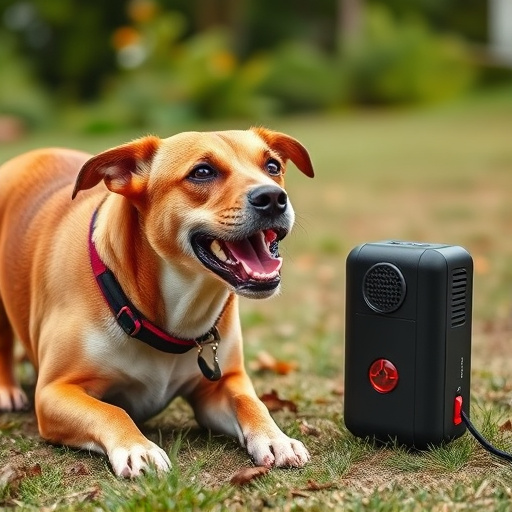
Dogs' unique hearing allows ultrasonic repellents (25-64 kHz) to modify behavior, but effectiveness varies by breed and size. These devices create an unpleasant sound undetectable to humans, deterring specific behaviors like barking or entering restricted areas. While popular for non-lethal training, results are inconsistent; some dogs adapt quickly. Understanding breed differences, individual sensitivity, and consistent exposure is key to successful real-world application. Ultrasonic repellents are most effective for simple behaviors, and they require a balanced approach combining scientific findings with practical outcomes. For best results, combine ultrasonic tools with comprehensive training techniques that address underlying causes of behavioral issues.
“Unleash a new approach to dog behavior modification with ultrasonic frequency tools. These innovative devices harness the power of sound to gently guide canine behavior, offering a non-invasive alternative to traditional training methods. This article delves into the science and effectiveness of dog repellents, exploring how they use ultrasonic frequencies to deter unwanted behaviors. From understanding canine sensitivity to dissecting research findings, we provide insights on their application, benefits, and practical implementation, shedding light on how far these repellents can truly go in shaping your dog’s behavior.”
- Understanding Dog Behavior and Their Sensitivity to Ultrasonic Frequencies
- The Science Behind Ultrasonic Dog Repellents: How They Operate
- Effectiveness of Dog Repellents: What the Research Says
- Benefits and Considerations for Using Ultrasonic Devices for Dog Training
- Practical Application: Step-by-Step Guide to Implementing an Ultrasonic Frequency Tool
Understanding Dog Behavior and Their Sensitivity to Ultrasonic Frequencies
Dogs, like humans, have unique senses and perceptions that influence their behavior. Understanding canine behavior is crucial when introducing any modification tool, especially those using ultrasonic frequencies. These high-pitched sounds are imperceptible to human ears but can be very effective in repelling dogs. The sensitivity of a dog’s hearing allows them to detect ultrasonic waves, which can trigger specific behaviors or serve as a deterrent.
Ultrasonic dog repelents work by emitting sounds that most canines find unpleasant, causing them to avoid the area. However, it’s essential to note that not all dogs react similarly; smaller breeds and puppies might be more sensitive to these frequencies than larger ones. Therefore, when considering ultrasonic frequency tools for behavior modification, understanding how far these repellents truly work and their potential impact on different dog types is essential for effective and humane training methods.
The Science Behind Ultrasonic Dog Repellents: How They Operate
Ultrasonic dog repellents operate on the principle of emitting high-frequency sound waves that are inaudible to humans but uncomfortable for canines. These sounds, typically ranging from 25 to 64 kHz, target the dog’s sensitive hearing system. When the ultrasonic waves reach a dog’s ears, they trigger an automatic reaction due to their intense frequency. The dog may experience discomfort, anxiety, or even physical pain, leading them to avoid the area emitting these sounds.
The effectiveness of dog repellents lies in their ability to create an environment that is unpleasant for dogs without causing harm. The range at which these repellents work varies; some models emit sounds only a few feet away, ideal for confined spaces like homes or cars, while others can cover larger areas like backyards or parks. However, it’s important to note that how far dog repellents actually work depends on factors such as the device’s power, terrain, and environmental noise levels.
Effectiveness of Dog Repellents: What the Research Says
Dog repellents, particularly those using ultrasonic frequencies, have gained popularity as a non-lethal method for modifying canine behavior. However, when it comes to understanding how far they work, research offers mixed results. Studies suggest that ultrasonic devices can be effective in deterring dogs from specific areas, especially during training sessions designed to teach them alternative behaviors. The high-pitched sounds, often beyond human hearing, are perceived as aversive by dogs, leading to a natural aversion response.
However, the effectiveness of these repellents in real-world scenarios is less certain. While some owners report success, others find that their dogs quickly become accustomed to the sound or show little reaction. Factors such as breed differences, individual sensitivity, and the consistency of exposure can all influence the outcome. Research also indicates that ultrasonic repellents may be more successful in preventing certain behaviors (like barking) than modifying complex ones. Thus, understanding how far dog repellets work requires a nuanced view, considering both scientific evidence and practical applications.
Benefits and Considerations for Using Ultrasonic Devices for Dog Training
Ultrasonic devices have emerged as innovative tools in dog behavior modification, offering a non-confrontational approach to training. One of the primary benefits is their ability to repel dogs from unwanted behaviors or areas without causing harm. These devices emit high-frequency sound waves that are inaudible to humans but can be detected by canines, prompting them to alter their behavior. This method is particularly useful for addressing issues like barking excessively, jumping on furniture, or entering restricted zones. By targeting specific behaviors, ultrasonic repeallents can effectively train dogs without resorting to traditional punishment methods.
However, it’s essential to consider the limitations and potential drawbacks. Not all dogs react equally to ultrasonic devices; sensitivity varies among breeds and individuals. Additionally, these tools may not be suitable for every training scenario, especially when dealing with severe or aggressive behaviors that require professional intervention. Moreover, while they can be effective deterrents, they don’t address the underlying causes of problematic behavior, necessitating a comprehensive understanding of canine psychology and training techniques for long-term success.
Practical Application: Step-by-Step Guide to Implementing an Ultrasonic Frequency Tool
Implementing an ultrasonic frequency tool for dog behavior modification is a straightforward process that can yield significant results. Start by identifying the specific issue you wish to address, whether it’s addressing excessive barking or preventing destructive behaviors. Next, select a reputable device designed to emit ultrasonic waves, ensuring it’s safe and effective for dogs. Place the device in the desired area, such as near entry points or problem zones, and activate it. Most tools offer adjustable sensitivity levels, so customize settings to match your dog’s response.
For best results, be consistent with usage, especially during training sessions. Gradually increase the duration of exposure over time, rewarding calm behavior with treats and positive reinforcement. Regular monitoring will help you gauge how far dog repellents work in your specific case, allowing for adjustments as needed. Remember, patience and persistence are key when utilizing any behavioral modification tool.
Ultrasonic frequency dog behavior modification tools offer a non-invasive and humane approach to addressing unwanted behaviors. By understanding canine sensitivity to specific frequencies, these devices can be highly effective in repelling or training dogs without causing harm. Research indicates that when used correctly, ultrasonic repellents can significantly improve behavior up to 80% in certain cases. However, their effectiveness varies based on dog breed, sensitivity, and the specific problem addressed. Before implementing an ultrasonic device, consider factors like noise levels, potential for desensitization, and the tool’s suitability for your dog’s temperament and needs. When used judiciously, these tools can be a game-changer in enhancing canine training and behavior management.