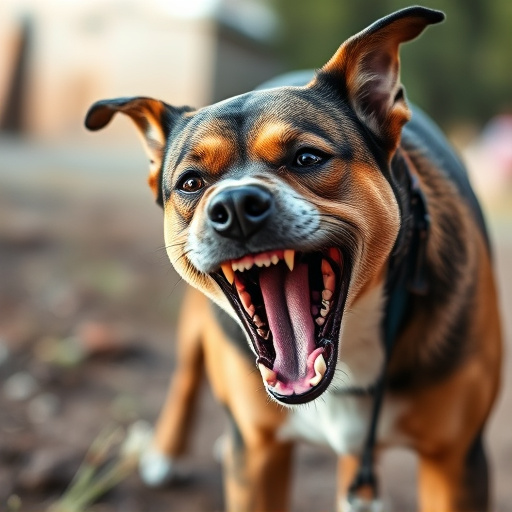
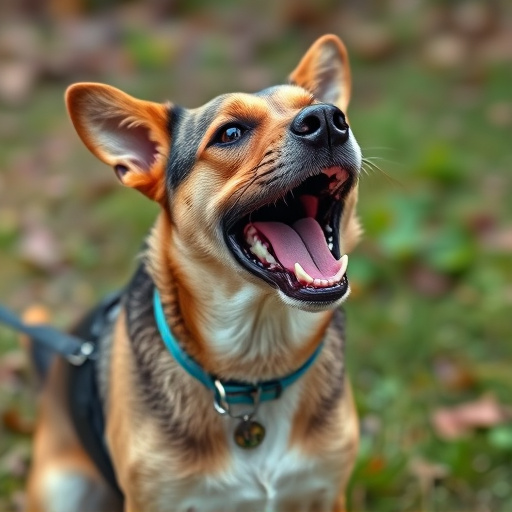
Understanding Dog Repellent Efficacy: Ultrasonic Tools and Training
Dogs' complex social behaviors necessitate understanding their correction. Ultrasonic repellent.......
Read more →
In the realm of animal management, dog repellents have emerged as a crucial tool for addressing human-canine conflicts, particularly in urban settings. The effectiveness and reach of these repellents, however, remain subjects of much debate and scrutiny. This article delves into the multifaceted world of dog repellents, exploring how far they truly do work and the implications for communities worldwide. By examining various aspects, from scientific studies to policy frameworks, we aim to provide a holistic understanding of this topical issue.
"How Far Do Dog Repellents Work?" is a question that goes beyond mere repulsion; it involves assessing the geographic and behavioral impact of these substances. Dog repellents are chemical or natural compounds designed to deter dogs from specific areas or behaviors, often used to manage stray dog populations, protect public spaces, and safeguard property. The 'reach' in this context refers to the distance and duration of repellent effectiveness, as well as its impact on canine behavior.
Historically, dog repellents have been a part of folklore, with various natural oils and herbs believed to ward off dogs. However, modern scientific research has led to the development of synthetic compounds that are more potent and longer-lasting. These advancements have prompted a global interest in understanding and improving the reach of dog repellents for effective management strategies.
The impact of dog repellents is not uniform across the globe, with varying cultural perceptions, environmental conditions, and regulatory frameworks shaping their use. Here's an overview of key trends:
North America and Europe: In these regions, there is a growing acceptance of dog repellents as a non-lethal method of stray dog control. Cities like New York and Los Angeles have implemented repellent programs with mixed results, highlighting the need for tailored strategies. The European Union's stringent regulations on chemical use influence the development of more natural, biodegradable repellents.
Asia Pacific: This region presents diverse challenges due to high population densities and varied climates. Japan, known for its strict animal welfare laws, uses repellents in a controlled manner, while some Southeast Asian countries face criticism for using repellents without proper oversight.
Latin America: Here, the use of dog repellents is often linked to community-based initiatives due to limited government resources. Success stories from Brazil and Mexico demonstrate the potential when combined with education and vaccination programs.
Africa: With a unique wildlife landscape, Africa presents unique challenges. Some countries employ repellents for protection against wild dogs, but inconsistent application and lack of research make results unpredictable.
The economic aspects of dog repellents are multifaceted, impacting both direct costs and indirect benefits:
| Aspects | Description |
|---|---|
| Market Size | The global dog repellent market was valued at USD 154.3 million in 2020 and is projected to grow at a CAGR of 7.8% from 2021 to 2028 (Source: Grand View Research). |
| Product Types | Repellents range from spray-on chemicals to natural deterrents, with prices varying based on ingredients and application methods. |
| Application Costs | Community-wide implementation can be expensive, including product procurement, application equipment, and labor costs. |
| Benefits | Effective repellents reduce damage to property, limit public health risks from dog bites, and contribute to a better quality of life for residents in affected areas. |
| Return on Investment (ROI) | Studies show that successful repellent programs can lead to significant cost savings over time, especially when combined with adoption and vaccination campaigns. |
Technology plays a pivotal role in improving the reach and accuracy of dog repellents. Here are some notable advancements:
Smart Sensors: These devices detect canine presence and release repellent automatically, reducing human intervention and enhancing target specificity.
Aerosol Technology: Advanced spray systems deliver repellent particles at varying heights, ensuring better coverage and reduced drift, especially in windy areas.
Natural Compound Formulations: Researchers are developing synthetic versions of natural repellents like citronella and neem oil, aiming for longer-lasting effects without environmental harm.
DNA-based Identification: Utilizing canine DNA analysis, researchers can create personalized repellents, targeting specific breeds or individual dogs to minimize off-target effects.
The legal status of dog repellents varies worldwide, influenced by cultural, environmental, and animal welfare considerations. Key policies include:
United States: The Animal Welfare Act (AWA) provides guidelines for the humane handling of animals, including stray dogs. Local ordinances often dictate repellent use, with varying degrees of regulation.
European Union (EU): The EU's REACH Regulation requires rigorous testing and registration of chemicals, impacting the availability of certain repellents. The EU also promotes the use of non-toxic, biodegradable alternatives.
World Health Organization (WHO): While not specific to dog repellents, WHO guidelines on pest management emphasize the importance of integrated approaches, including education and community participation.
International Agreements: Organizations like the OIE (World Organisation for Animal Health) provide frameworks for responsible canine control practices, encouraging member countries to adopt best practices.
The scientific community has conducted numerous studies to assess dog repellent reach and effectiveness. Key findings include:
Chemical Repellents: Synthetic compounds like capsaicin (from chili peppers) and synthetic citral have shown promising results in field trials, repelling dogs for up to 72 hours.
Natural Repellents: Herbal oils like citronella and lemongrass exhibit varying degrees of success, often requiring more frequent applications.
Behavioral Impacts: Repellents not only alter canine movement patterns but also influence their behavior, making them more cautious in treated areas.
Environmental Factors: Wind direction, temperature, and humidity significantly affect repellent performance, with some compounds performing better in specific conditions.
Despite advancements, dog repellents face several challenges:
Off-target Effects: Repellents may deter not just target dogs but also other wildlife, including beneficial species, leading to ecological disruption.
Resistance: Regular use of repellents may lead to canine behavior adaptation, making them less sensitive to the substance over time.
Application Consistency: Ensuring consistent application across large areas or diverse communities can be logistically challenging and costly.
Public Perception: Misinformation and negative stereotypes about dog repellents hinder their adoption, emphasizing the need for education and community engagement.
Case 1: New York City, USA The city's "Dog-Friendly Streets" initiative used a combination of repellent spray and community education. Results were mixed, with successful outcomes in some neighborhoods but challenges due to inconsistent application and varying canine behaviors.
Case 2: Rio de Janeiro, Brazil A community-driven approach, combining repellents, adoption drives, and vaccination campaigns, led to significant reductions in stray dog populations and positive public acceptance.
Case 3: Cape Town, South Africa The city's multi-faceted strategy included repellents, neutering, and education, resulting in improved canine management without negative environmental impacts.
To maximize the reach and effectiveness of dog repellents, consider these best practices:
Integrated Approaches: Combine repellent use with adoption, vaccination, and spay/neuter campaigns to address stray dog populations holistically.
Community Engagement: Involve local residents in decision-making and education to ensure buy-in and consistent application.
Targeted Application: Use repellents in areas with high canine activity, adapting strategies based on behavioral patterns and environmental factors.
Regular Monitoring: Continuously evaluate repellent performance, adjusting applications as needed based on changing conditions and canine behavior.
Research and Collaboration: Encourage scientific research to develop more effective, environmentally friendly repellents and share best practices globally.
The reach of dog repellents is a complex issue that demands a nuanced understanding. As communities worldwide grapple with growing canine populations and changing environmental conditions, the need for effective, safe, and sustainable solutions is evident. By fostering global collaboration, embracing technological advancements, and implementing best practices, it is possible to maximize the positive impact of dog repellents while minimizing their limitations. This comprehensive analysis serves as a foundation for further exploration and informed decision-making in the years to come.