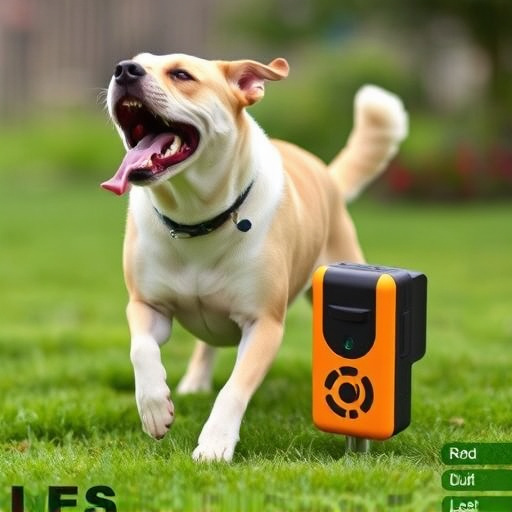
Dog repellents, ranging from localized scents to LED lights, offer non-lethal solutions for keeping canines away. Effectiveness varies by type and strength, with ultrasonic devices reaching up to 10-15 feet (3-4.5 meters) and static electricity models covering around 7-8 feet (2.1-2.4 meters). For smaller areas, these repellents are suitable, but larger properties require more powerful options. LED lights, with their visual warning, can create barriers up to several meters away, proving especially useful in dense vegetation or open spaces. Range and effectiveness depend on dog sensitivity, environmental conditions, and the specific repellent's design. Responsible use includes following manufacturer guidelines, combining repellers with positive reinforcement, and ensuring safety for both dogs and users.
“Discover the innovative world of electronic dog repellers, a modern solution to keeping unwanted canine visitors at bay. This comprehensive guide explores the inner workings of these devices, powered by LED light technology. We delve into their effectiveness, questioning just how far they can deter dogs from intruding on your space. From various types and their unique features to essential safety considerations, this article offers valuable insights for pet owners seeking a peaceful, dog-free environment.”
- Understanding Dog Repellents: The Basics
- LED Light Technology in Dog Repellers
- Effectiveness: How Far Do They Really Work?
- Types of Electronic Dog Repellers: A Comparison
- Safety and Training Considerations for Using Dog Repellents
Understanding Dog Repellents: The Basics
Dog repellents, especially those designed for outdoor use, have become popular tools for keeping canines away from specific areas, be it gardens, patios, or even certain roads. Understanding how they work and their effectiveness is key to choosing the right repellent for your needs. The primary mechanism behind these repellents involves emitting scents or sounds that dogs find unpleasant, conditioning them to avoid the treated area.
One of the critical factors when considering dog repellents is ‘how far do they work?’ This varies greatly depending on the type and strength of the repellent. Some are designed for localized use, creating a barrier around a small area like a mailbox or garbage can. Others claim to offer wider coverage, repelling dogs from up to several meters away. When shopping, it’s essential to read product descriptions and customer reviews to gauge the expected range of effectiveness.
LED Light Technology in Dog Repellers
LED light technology has revolutionized dog repeller designs, offering a safer and more effective alternative to traditional ultrasonic devices. These advanced lights emit a spectrum of colors, with specific frequencies known to deter dogs without causing them harm. The visibility of the LED light increases its range, allowing it to be effective at greater distances compared to other repellers.
How far do dog repellents work? In many cases, LED-based repellents can create a protective barrier up to several meters away. The bright and visible nature of the lights serves as a visual warning to dogs, encouraging them to stay clear. This technology is particularly useful for those living in areas with dense vegetation or open spaces where traditional repellents might not be as effective.
Effectiveness: How Far Do They Really Work?
Electronic dog repellers with LED lights are designed to deter canine intrusions, but how far do they really work? The effectiveness of these devices can vary significantly depending on several factors. For instance, their range is often limited to a few metres, making them more suitable for smaller gardens or patios. They use a combination of ultrasonic sounds and flashing LEDs to scare off dogs, with the latter helping to attract attention and create a disorienting visual effect.
However, when it comes to “how far do dog repellents work,” it’s important to remember that these devices are not foolproof. Their success depends on the sensitivity of individual dogs, their familiarity with the area, and environmental conditions. Wind, for example, can carry sounds away, reducing the effectiveness of ultrasonic components, while bright sunlight might make the LED lights less noticeable. As such, while electronic dog repellers with LED lights offer a non-lethal solution to keep dogs at bay, their overall efficiency should be viewed in practical terms, tailored to specific settings and canine behaviours.
Types of Electronic Dog Repellers: A Comparison
Electronic dog repellers come in various types, each with unique features and operating ranges. Ultrasound repellers emit high-frequency sound waves that are inaudible to humans but irritating to dogs. They’re effective up to 10-15 feet (3-4.5 meters) and can be a good choice for smaller areas like patios or gardens. Another type uses static electricity; these devices deliver a mild shock when a dog enters the detection zone, typically around 7-8 feet (2.1-2.4 meters). They’re suitable for larger spaces as they offer a wider coverage area. Some advanced models even incorporate LED lights, which not only indicate the active state of the device but can also attract attention, enhancing their deterring effect.
When considering how far dog repellents work, it’s crucial to match the product’s range with your specific needs. For smaller areas, ultrasound or static electricity repellers are often sufficient. However, for larger properties, you might need a more powerful device that can cover a broader area effectively. Additionally, certain environmental factors like foliage and weather conditions can impact the operational range, so it’s essential to choose a repellent designed for durability and adaptability in different settings.
Safety and Training Considerations for Using Dog Repellents
Using a dog repeller, especially one with an LED light feature, should always be done with safety and training in mind. It’s crucial to understand how far these devices actually work and their effectiveness on different dog breeds and behaviors. Repellents emit sounds or lights designed to deter dogs, but their range can vary greatly. Typically, they’re most effective within a 10-20 meter radius, though this can depend on the specific product and environmental factors like wind or background noise.
Training is another key consideration. While repellents can be a useful tool for managing problematic dog interactions, they shouldn’t be seen as a replacement for proper training and socialization. It’s important to use these devices responsibly, following manufacturer guidelines, and in conjunction with positive reinforcement training methods to ensure safety and effectiveness for both the dogs and users.
Electronic dog repellers with LED lights offer a humane and effective solution for deterring unwanted canine intruders. While their effectiveness can vary depending on factors like distance, sensitivity, and individual dog behavior, many users report positive results in controlling and preventing unwanted barking and trespassing. When choosing a repeller, consider different types, safety guidelines, and training methods to ensure the best outcomes. Remember, no method is foolproof, but with consistent use and proper training, these devices can help create a peaceful environment for both you and your neighbors’ pets.